Revalidation is the quiet way practices fall out of network. Unlike initial credentialing, which is visible and urgent, revalidation is a background task that nobody thinks about until the denials arrive.
What is revalidation?
Revalidation is the process of confirming that your credentialing information is still current with each payer. Most payers require revalidation every 2–3 years. Unlike CAQH attestation (which is every 120 days), revalidation is payer-specific and has different timelines for each payer.
Why it matters
If your revalidation lapses:
- Your enrollment with that payer goes inactive
- Claims submitted to that payer are denied
- You must re-credential from scratch (not just revalidate)
- The re-credentialing process takes 60–120 days
- During that time, you cannot bill that payer
The cost: For a practice with 20% of patients on a single payer, a 90-day credentialing gap means 90 days of lost revenue from that payer segment.
The timeline problem
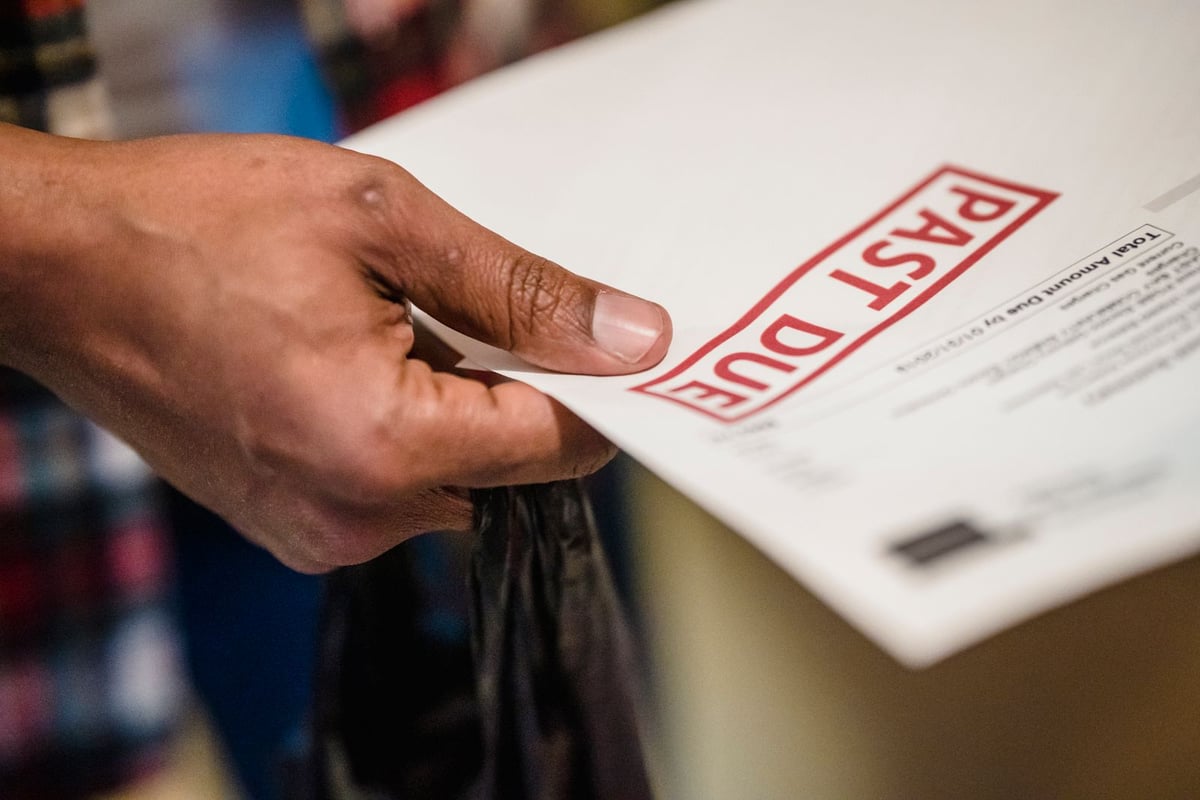
The issue is that revalidation dates are not centralized. Each payer has its own timeline, its own process, and its own notification system (if any). Some payers send a letter 90 days before revalidation is due. Some send nothing. Some send a letter that looks like junk mail and goes straight to the recycling.
We have seen practices lose network status because:
- The revalidation letter was sent to an old address
- The letter was addressed to a staff member who had left
- The letter was discarded because it looked like marketing
- Nobody tracked the revalidation date in the first place
Our approach
When we take on a practice, we:
- Audit every payer enrollment to confirm current status and revalidation dates
- Build a revalidation calendar with alerts at 120, 90, and 30 days before each deadline
- Assign a single person to track and complete each revalidation
- Verify completion by checking the payer’s portal after submission
The goal is zero surprise lapses. Revalidation should be a routine task, not a crisis.
Last verified: August 2026. Revalidation timelines vary by payer — always verify with the specific payer’s credentialing department.